Why Xi Jinping Is Allowing Slower Growth in China’s Richest Province
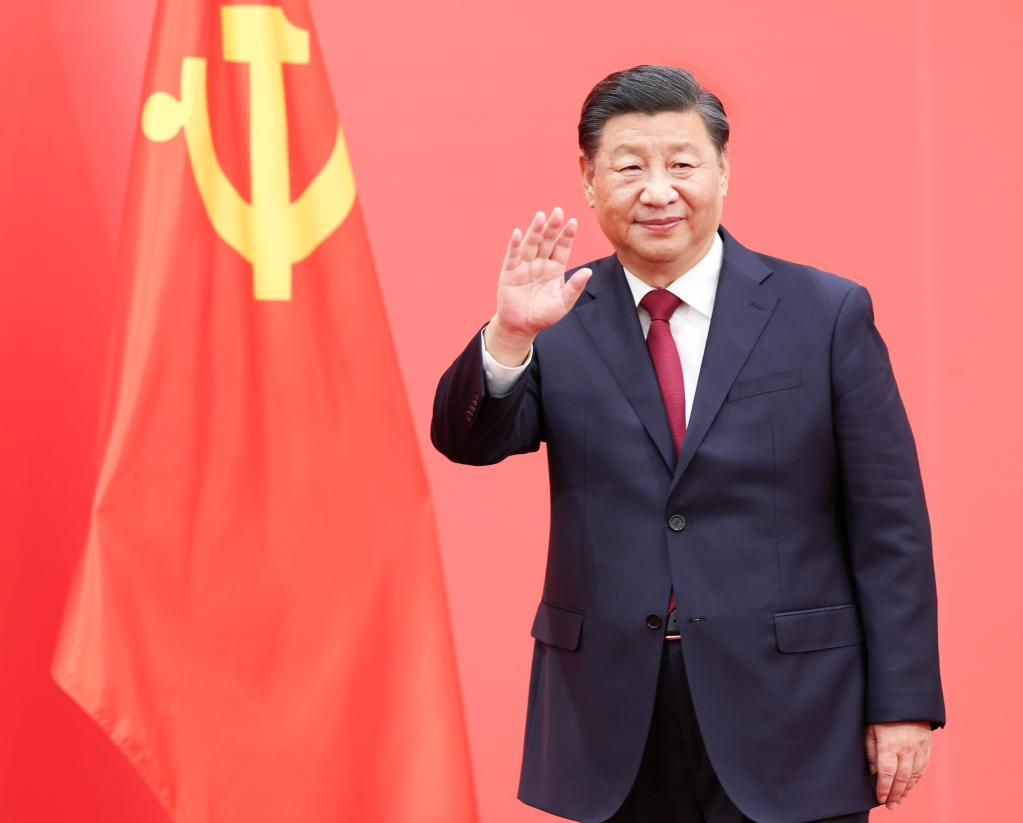
China is sending a powerful message to the world: economic stability is more important than high growth figures. This shift is becoming most visible in Guangdong, China’s biggest economic powerhouse and home to major cities like Shenzhen and Guangzhou.
For decades, Guangdong symbolized China’s rise — booming exports, globalization, technology, and investment. Today, growth is slowing. Yet instead of pushing for rapid acceleration, President Xi Jinping is showing clear tolerance for this moderation.
A Historic Change in China’s Economic Priorities
China’s leadership says the next stage of development must focus on:
- Technological independence (less reliance on the U.S. & West)
- Industrial upgrading to advanced innovation
- Social stability and risk prevention
- Reduced local debt dependency
This represents a move away from the old model of mass construction and cheap exports. Now, the government emphasizes what Xi calls “high-quality development”.
“High-quality growth is China’s new economic bottom line.” — Policy Analysts
Why Guangdong’s Slowdown Isn’t a Crisis
Even while slowing, Guangdong remains the largest regional economy in China — contributing nearly 11% of the entire country’s GDP. But it is also facing strong external and internal challenges:
| Challenge | Effect on Guangdong |
|---|---|
| Weak global demand | Exports decline in major industrial hubs |
| Geopolitical tech tensions | Restrictions affect companies like Huawei and ZTE |
| Property market downturn | Less revenue and business construction |
| Rising labor costs | Manufacturers relocate to cheaper regions |
Instead of fighting these structural shifts, Beijing sees Guangdong as the perfect region to mature into an innovation-first economy.
New Growth Drivers Are Rising
Guangdong is rapidly expanding into future-shaping industries:
- Electric Vehicles led by BYD, now a global force
- Semiconductor R&D to reduce foreign reliance
- Robotics & AI supported by Shenzhen’s tech ecosystem
- Renewable energy and smart infrastructure
- Medical & biotech innovation
These investments aim to secure China’s economic resilience for the next decade.
Is the Strategy Too Risky?
Some economists warn that a slower Guangdong could:
- Lower employment opportunities for youth
- Reduce global investor confidence
- Weaken local government financing
However, Xi’s administration believes patience will pay off — quality today means stronger control tomorrow.
What It Means for China’s Future
Guangdong’s transition signals a broader national experiment: empowering inland provinces while reinventing coastal regions. The outcome of this transformation will play a key role in China’s global competitiveness.
If successful, this will mark the moment China shifted from explosive growth to strategic renewal — with Guangdong leading a new era of high-tech prosperity.
Conclusion
Xi Jinping tolerating slower growth in the country’s richest province isn’t a sign of weakness. Instead, it is a long-term play — a bet that innovation and sustainability will secure China’s leadership on the world stage.
Guangdong is still China’s strongest economic engine — it’s just changing gears.


Post a Comment