China’s Xi Tolerates Relatively Slow Growth in Richest Province: What It Means for the Future
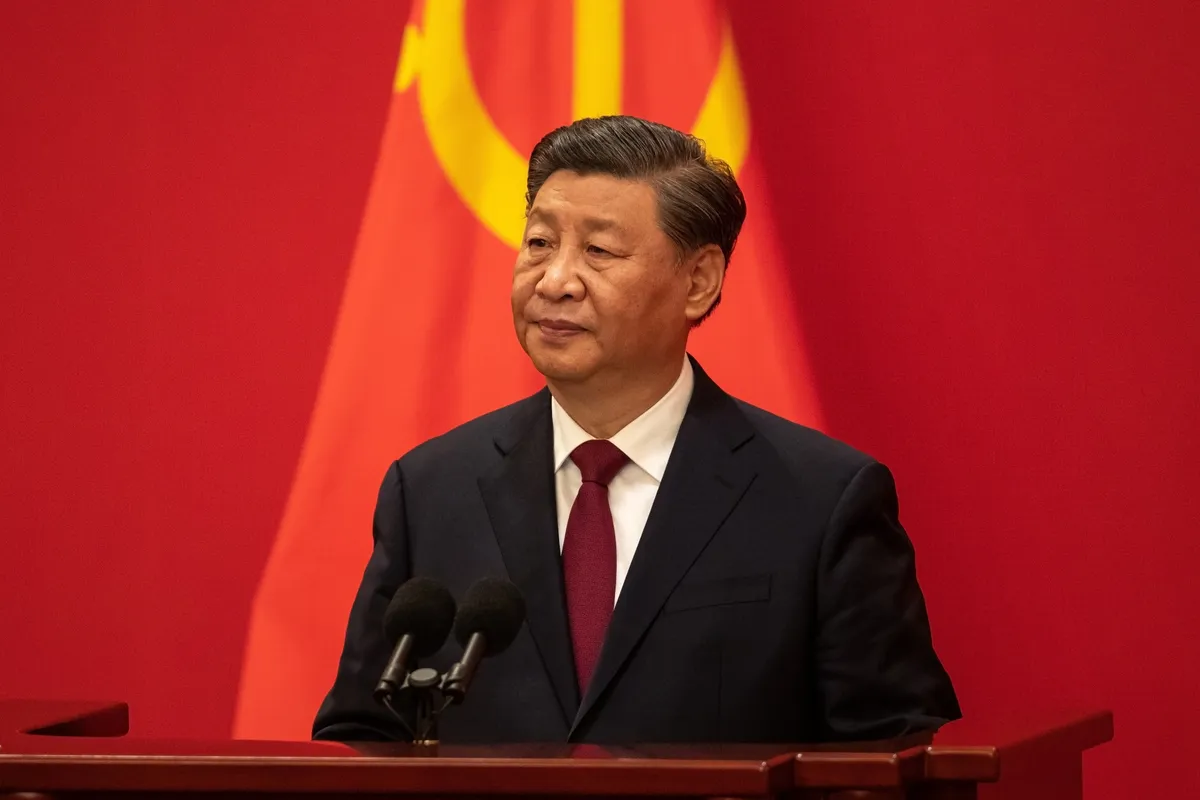
China’s economic strategy is shifting—and one of the clearest signals comes from Guangdong, the nation’s wealthiest province. President Xi Jinping appears willing to tolerate slower growth in this powerhouse region, reflecting a broader recalibration of China’s development priorities.
Once the engine behind China’s export boom, Guangdong has entered a period of moderation, as Beijing pursues long-term national stability over rapid expansion.
Why Guangdong’s Slowdown Matters
Guangdong has long been a symbol of China’s reform success, leading in:
- Export manufacturing
- Foreign investment
- Technology and innovation (Shenzhen)
It contributes:
- Nearly 11% of China’s GDP
- More global trade than any other region in the country
So when growth here slows—it’s a national indicator.
The Shift: From Speed to “Quality Growth”
Xi Jinping’s economic agenda has become more focused on:
- Technological self-reliance
- Domestic consumption
- National security
- Sustainability and reduced financial risks
This strategy prioritizes resilience over speed.
“High-quality growth” is better than fast growth powered by debt and overbuilding.
Guangdong, being a wealthy and mature province, is expected to:
- Innovate
- Attract high-tech investment
- Lead green industries
- Not rely on old export-driven formulas
What’s Causing the Slowdown?
| Factor | Impact on Guangdong |
|---|---|
| Weak global demand | Exports from manufacturing hubs like Dongguan slump |
| Tech tensions with the US | Pressure on major tech companies like Huawei |
| Property downturn | Slower construction and local revenue |
| Rising labor costs | Less competitive for low-end manufacturing |
New Engines of Growth Emerging
Guangdong is pivoting toward sectors aligned with China’s future:
- EVs and batteries — led by global giant BYD
- Semiconductors — massive state investment in Shenzhen
- Artificial Intelligence and automation
- Green energy manufacturing
- Biotech innovation
This slower but smarter growth is meant to future-proof China’s economy.
Balanced Growth Across China
Beijing is pushing for nationwide development:
- Greater investment in inland provinces like Sichuan and Hubei
- Reducing reliance on coastal hubs
- Decongesting the Pearl River Delta
If successful, China’s economy becomes more stable, more secure, and more balanced.
Risks of the New Economic Approach
A slower Guangdong comes with challenges:
- Local governments face financial pressures
- Youth unemployment could worsen
- Foreign investors may hesitate
- Innovation growth may slow
Is Xi’s Strategy Working?
It’s too early to conclude. But one thing is clear:
China is no longer chasing growth records—it is restructuring for a more uncertain global era.
Guangdong remains the testing ground for long-term transformation.
Conclusion
Xi Jinping tolerating slower growth in China’s richest province marks a major shift in Beijing’s economic governance. Rather than treating Guangdong’s slowdown as a weakness, it is seen as a proof of progress.
China is betting that higher-quality growth today equals greater power tomorrow—even if numbers are smaller now.


Post a Comment