Similarities Between Inter and Milan Supercoppa Exits: ‘Risk Calculated Badly’
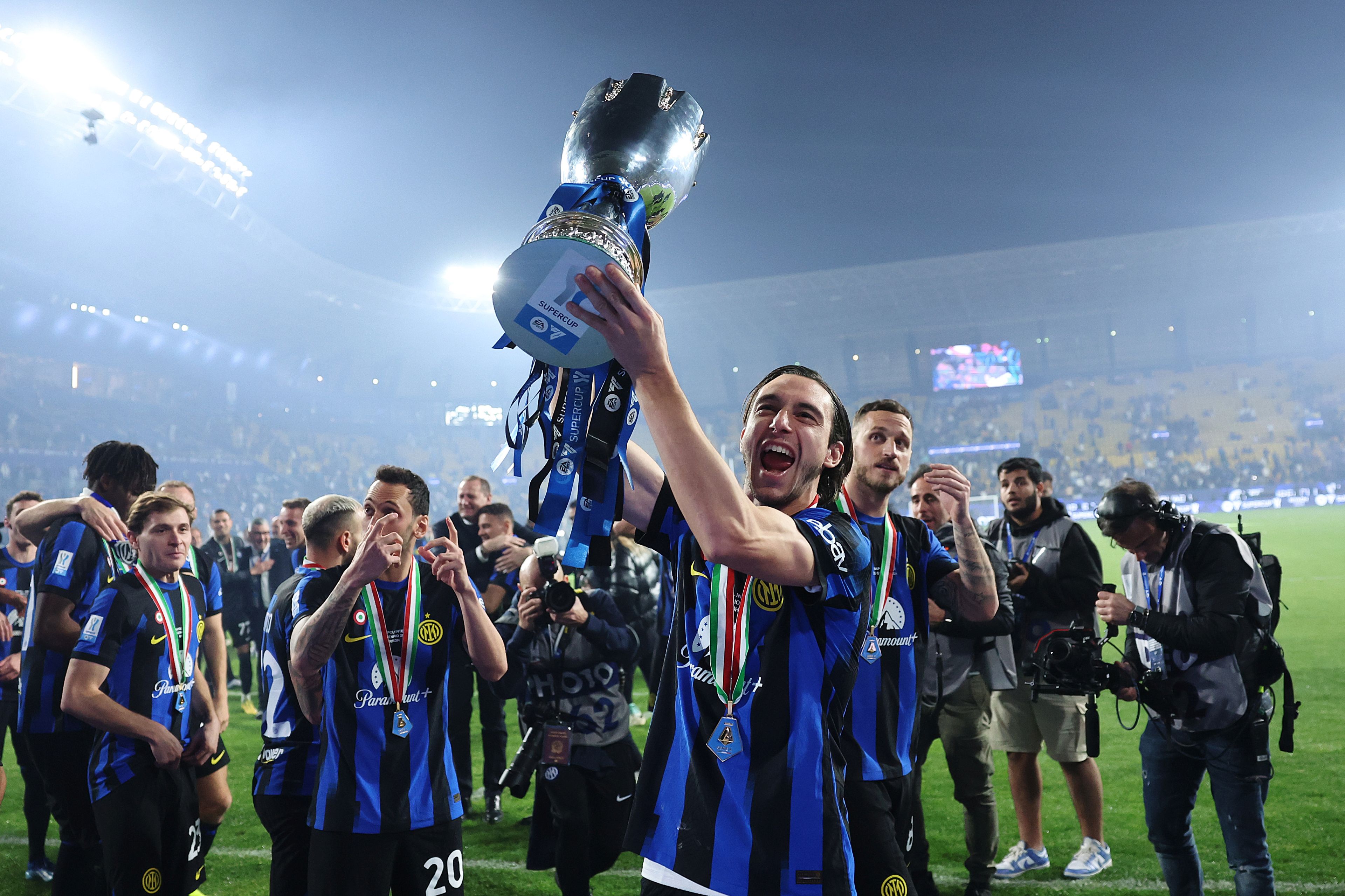
By Trendy News
The Supercoppa Italiana has long been a stage where ambition, pride, and tactical daring collide. Yet for both Inter Milan and AC Milan, the latest Supercoppa campaign ended in frustration rather than glory. Despite their contrasting styles and recent trajectories, the two Milanese giants shared striking similarities in how and why they exited the competition.
The phrase circulating among analysts — “risk calculated badly” — encapsulates the core issue. Both teams made deliberate strategic gambles that, on paper, appeared rational. In practice, those risks exposed structural weaknesses, mental fragility, and managerial miscalculations that opponents ruthlessly exploited.
Supercoppa Italiana: High Stakes, Small Margins
The Supercoppa Italiana is often dismissed as a glorified exhibition, but for clubs like Inter and Milan, it carries symbolic and psychological weight. It is an early-season benchmark, a chance to assert dominance domestically and internationally, and a valuable opportunity to test tactical ideas against elite opposition.
In recent years, the competition’s relocation to international venues has only amplified its commercial and reputational importance. Coaches are expected to balance rotation with competitiveness, experimentation with pragmatism — a balancing act both Milan clubs failed to master.
Calculated Risks in Team Selection
One of the clearest parallels between Inter and Milan’s Supercoppa exits was their approach to squad selection. Both managers opted for lineups that leaned heavily on tactical theory rather than in-form reality.
Inter’s choice to rotate key midfielders in favor of players better suited to controlling possession backfired against an opponent that prioritized vertical transitions. Milan, meanwhile, trusted young and less experienced players in high-pressure roles, hoping energy and unpredictability would compensate for tactical naivety.
These were not reckless decisions — they were calculated. But football punishes miscalculations swiftly, especially in knockout matches.
Tactical Overconfidence and Structural Exposure
Another shared theme was tactical overconfidence. Inter persisted with a high defensive line despite warning signs in previous matches. Milan, on the other hand, stuck rigidly to a pressing scheme that left enormous gaps between midfield and defense.
In both cases, opponents identified these structural flaws early. Long balls, quick switches of play, and targeted overloads consistently bypassed carefully designed systems. What was meant to be proactive football became reactive damage control.
The Supercoppa does not allow time for tactical correction. Once momentum shifts, it becomes almost impossible to regain control.
Psychological Fragility Under Pressure
Beyond tactics, mentality played a decisive role. Both Inter and Milan showed signs of psychological fragility once their initial plans unraveled.
Inter’s body language visibly deteriorated after conceding, with senior players struggling to reassert authority. Milan displayed similar issues, particularly among younger squad members who appeared overwhelmed by the occasion.
These moments exposed a deeper issue: leadership under pressure. While both clubs possess experienced players, neither side demonstrated the collective resilience needed to absorb setbacks and adapt on the fly.
Game Management: Where the Margins Were Lost
Game management — often overlooked — was another critical similarity. Inter failed to slow the tempo when under siege, continuing to play risky passes in dangerous areas. Milan, conversely, retreated too deeply, inviting sustained pressure.
In knockout football, knowing when to take risks is just as important as knowing how. Both teams misread key moments, turning manageable situations into irreversible ones.
Substitutions That Came Too Late
Substitution timing further reinforced the narrative of “risk calculated badly.” Coaches hesitated to abandon their initial game plans, delaying changes until the damage was already done.
Inter’s attacking substitutions arrived only after momentum had fully shifted, while Milan’s defensive reinforcements disrupted their own pressing structure. Instead of correcting flaws, the changes amplified confusion.
Lessons for the Rest of the Season
While Supercoppa exits are not season-defining disasters, they serve as powerful warning signs. For Inter, the lesson lies in flexibility — adapting systems to opponents rather than forcing ideological purity. For Milan, it is about balancing youth development with experienced stability.
Both clubs must also address leadership dynamics. Tactical excellence means little without on-pitch authority capable of steering the team through adversity.
Why These Exits Matter More Than They Seem
The similarities between Inter and Milan’s Supercoppa failures go beyond a single match. They reflect broader trends in modern football — overreliance on data-driven decisions, rigid tactical identities, and underestimation of psychological variables.
The phrase “risk calculated badly” is not an accusation of incompetence. It is a reminder that football remains a human game, where emotion, momentum, and instinct can overturn the most carefully constructed plans.
Conclusion: Calculated Risks, Unforgiving Consequences
Inter and AC Milan approached the Supercoppa with ambition and confidence. Both believed their calculated risks would deliver success. Instead, those same risks exposed vulnerabilities that opponents capitalized on mercilessly.
The exits were painful, but they also offer clarity. Adaptability, emotional intelligence, and situational awareness remain just as vital as tactical sophistication.
As the season unfolds, how Inter and Milan respond to these lessons will define whether their Supercoppa disappointment becomes a footnote — or a turning point.


Post a Comment