Japan and China Exchange Barbs After PM Takaichi’s Remarks Over Taiwan
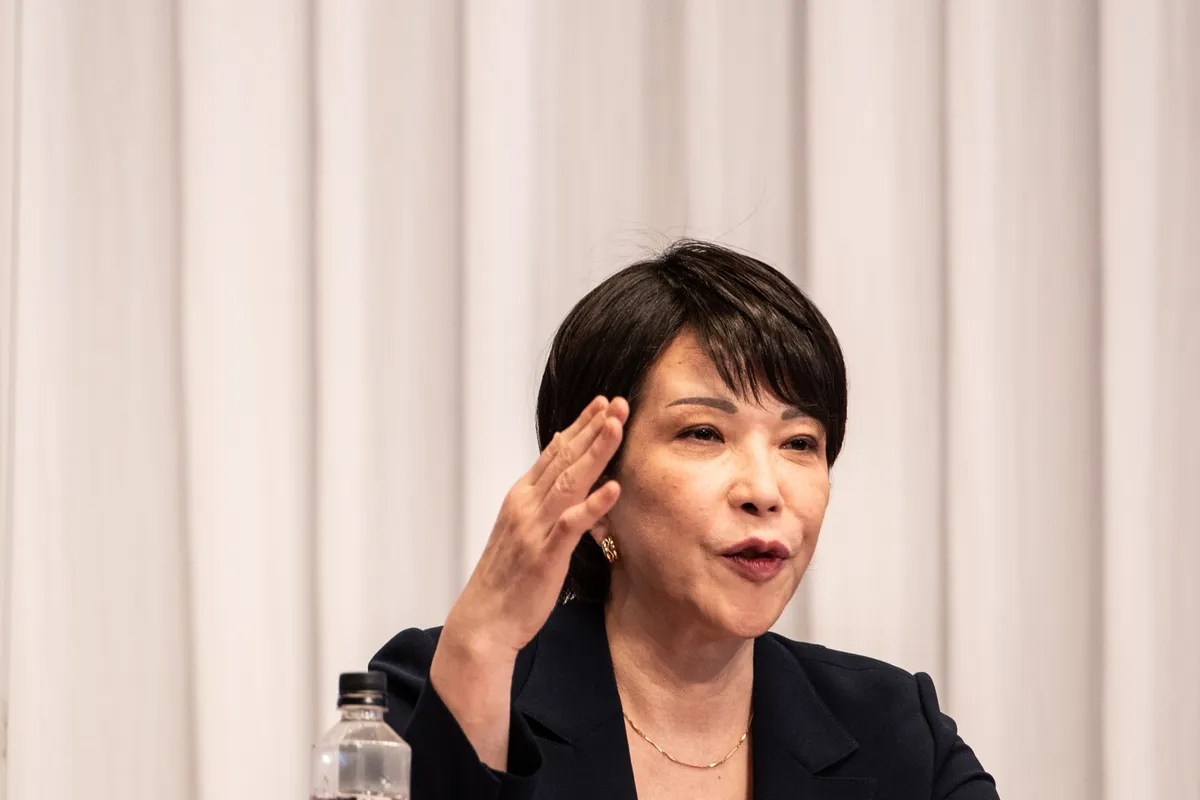
In early November 2025, the diplomatic relationship between Japan and China erupted into a serious war of words after Japanese Prime Minister Sanae Takaichi suggested that a Chinese military move against Taiwan could constitute a “survival‑threatening situation” for Japan — potentially triggering Tokyo’s use of force in defence.
What Happened
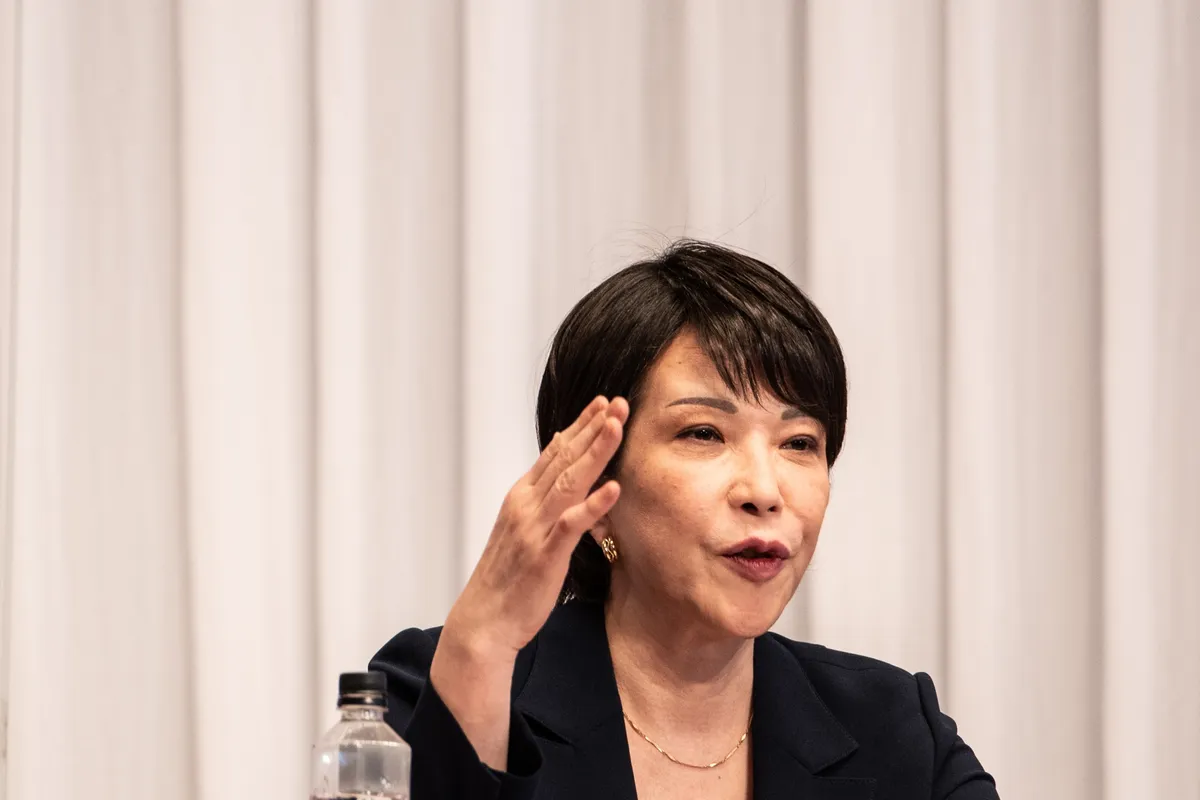
- On Friday, in parliament, Takaichi said that if Chinese warships blockaded Taiwan or launched military actions preventing U.S. forces from accessing the region, then “it could by all means become a survival‑threatening situation” for Japan.
- Beijing responded sharply. Chinese Consul‑General in Osaka Xue Jian posted a message on social media that included the phrase: “We have no choice but cut off that dirty neck that has lunged at us without hesitation. Are you ready?”
- Tokyo lodged a formal protest. Japan’s Chief Cabinet Secretary Minoru Kihara called Xue’s comments “extremely inappropriate” and demanded an explanation from Beijing.
- Beijing’s Foreign Ministry spokesman Lin Jian said Takaichi’s remarks were “wrongful and dangerous,” accused Japan of interfering in China’s internal affairs, and lodged “solemn complaints and protests.”
Why This is Significant
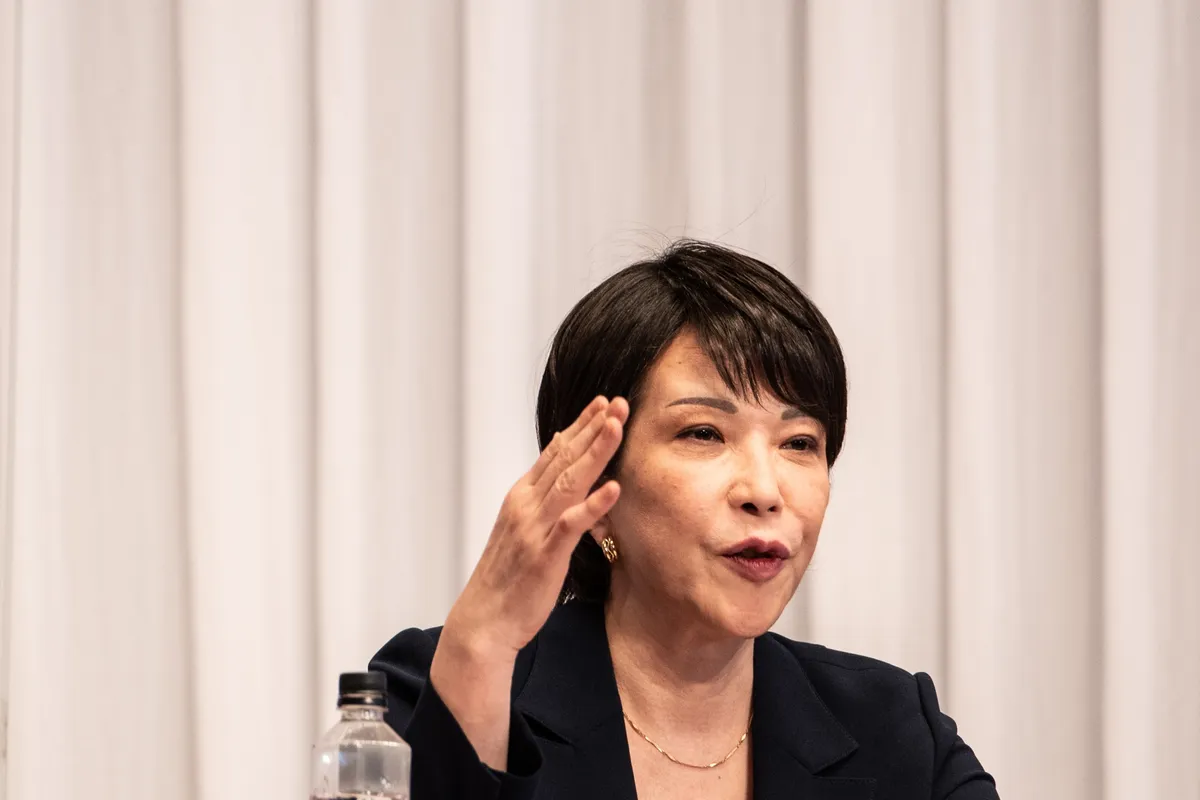
The language used by Takaichi marks a departure from previous Japanese prime ministers’ more cautious approach to the Taiwan issue. She invoked the possibility of deploying Japan’s Self‑Defense Forces under the 2015 security framework, a move Japan has historically handled with greater reticence.
For China, Taiwan remains a “core interest,” and Beijing has long warned foreign states off involvement in the Taiwan Strait. Takaichi’s remarks therefore triggered alarm not just in China but among regional stability observers.
What Each Side is Saying
- Japan: Takaichi clarified her remarks were “hypothetical” and within Japan’s existing policy framework. Kihara reiterated Japan’s one‑China policy remains unchanged, aiming for stable ties with Beijing.
- China: Beijing insists Japan must stop interfering in Taiwan, warning that Japan’s actions risk crossing key “red‑lines.”
Potential Repercussions
- Diplomatic strain: Trust between the two nations has clearly taken a hit.
- Security posture: Japan may feel pressure to strengthen its defence posture vis‑à‑vis China.
- Regional ripple effects: Other countries in the Indo-Pacific will closely watch any Japanese moves.
- Risk of miscalculation: Strong rhetoric increases the risk that minor incidents could escalate.
Conclusion
The exchange of barbs highlights shifting dynamics in East Asia: Japan signaling a willingness to treat developments in the Taiwan Strait as a direct threat to its survival, while China remains vigilant against perceived external interference. This spat may not lead to immediate confrontation, but it deepens fault lines and raises the stakes for regional security.
🎈 Play the Ultimate Balloon Popping Game on PC!
Pop bubbles and challenge your reflexes in the most addictive game online. Start popping now!
Play Now🧩 Tile Merge Quest Puzzle Game for Android!
Merge tiles, solve puzzles, and climb to the top! Download the addictive Android game now!
Download Now


Post a Comment