China Moves into Venezuela as Maduro Regime Gets Beijing Lifeline amid U.S. Tensions
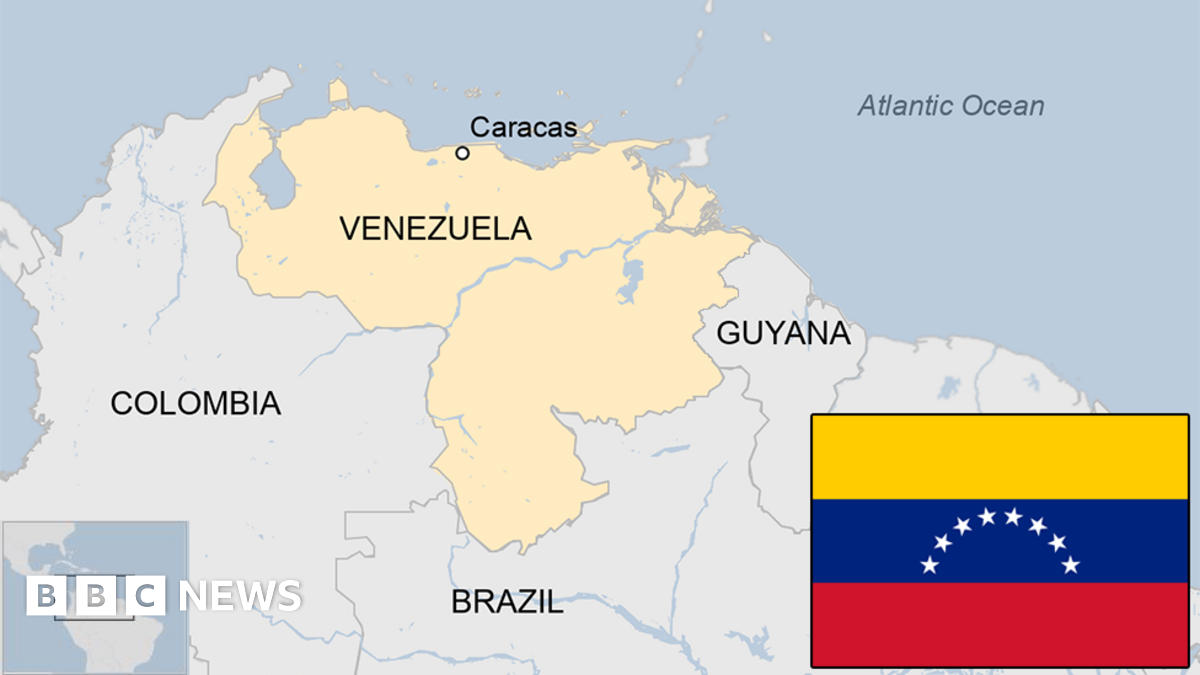
Venezuela — As Nicolás Maduro’s government grapples with prolonged economic pain and international pressure, Beijing has stepped forward with a series of trade and credit measures that critics say will tighten China’s economic grip on the country. The latest developments — including a sweeping tariff agreement and expanded lines of credit — have rekindled debate over whether Venezuela is being transformed into a new theater in the U.S.–China strategic rivalry.
In practical terms, the new arrangement gives Venezuelan exports easier access to Chinese markets and opens Beijing to a wider range of imports from Caracas. For the Maduro administration, China represents a dependable partner at a time when Western banks, investors and many governments have reduced ties and financial flows to Venezuela.
But observers warn that the deal may also deepen Venezuela’s dependence on raw‑commodity exports while making it harder for local industries to recover. As one commentator put it, the pact risks turning Venezuela into a supplier of resources rather than a diversified, self‑sustaining economy.
What Beijing Gains
China’s motivations are straightforward: access to energy and mineral resources; a strategic presence in the Western Hemisphere; and a diplomatic partner that will often vote with Beijing on the international stage. The renewed relationship follows earlier "loans‑for‑oil" arrangements that tied Venezuelan energy output to Chinese financing and infrastructure projects.
Economically, cheaper access to Venezuelan crude and other commodities helps China secure supplies at a time of global competition for energy and minerals. Strategically, an expanded footprint in Latin America complicates U.S. policy options and extends Beijing’s influence across a region traditionally within America's sphere of influence.
Why Maduro Needed Beijing
Maduro’s government has long faced economic contraction, international sanctions and dwindling oil production capacity. With limited access to Western loans and facing domestic pressures, the administration has turned to non‑Western partners for financing, technology and trade.
China’s lifeline offers immediate benefits: credit lines, trade facilitation and political backing on the global stage. For a regime under persistent economic strain, these are lifelines that can buy time and stabilise short‑term finances.
Risks for Venezuela
Yet the arrangement raises long‑term questions. Relying on a dominant partner can limit policy flexibility and may expose Venezuela to price and demand shocks in buyer markets. Critics say the zero‑tariff and financing agreements tend to favour imports of Chinese manufactured goods over the rebuilding of local industrial capacity, perpetuating a raw‑material export model.
Additionally, the country risks political costs: closer security ties or military‑technical cooperation with external powers can provoke regional unease and further political isolation from Western nations.
What This Means for the U.S. and the Region
The United States faces a strategic dilemma: continuing sanctions could be less effective if Venezuela’s relationship with China provides a robust economic alternative. That may force Washington to reconsider tools and tactics in the region — potentially focusing more on diplomacy, multilateral engagement and offering alternatives to countries wary of growing Chinese influence.
For Latin America, the China‑Venezuela axis is another sign of Beijing’s rising role. Some nations welcome new investment and trade options; others worry about dependence, transparency and long‑term political consequences.
Bottom Line
The deepening Beijing‑Caracas relationship is a double‑edged sword. It gives Maduro’s government breathing room and secures China a steady resource supply and strategic presence — but it also risks locking Venezuela into a dependent economic model and raising geopolitical tensions in the Americas. Whether this partnership brings stability or entrenches vulnerability will depend on how both sides manage the economic terms and how the wider region responds.


Post a Comment